Plan your packaging line around the product, output, space and growth you need
Packaging line solutions

Conveyor & Accumulation Systems

Conveyors are the line’s operating link, not an afterthought. Correct widths, speeds, transfers, guide rails, accumulation and control logic help machines run as a coordinated system.

UK project supportProduct and pack trialsIntegration to handover
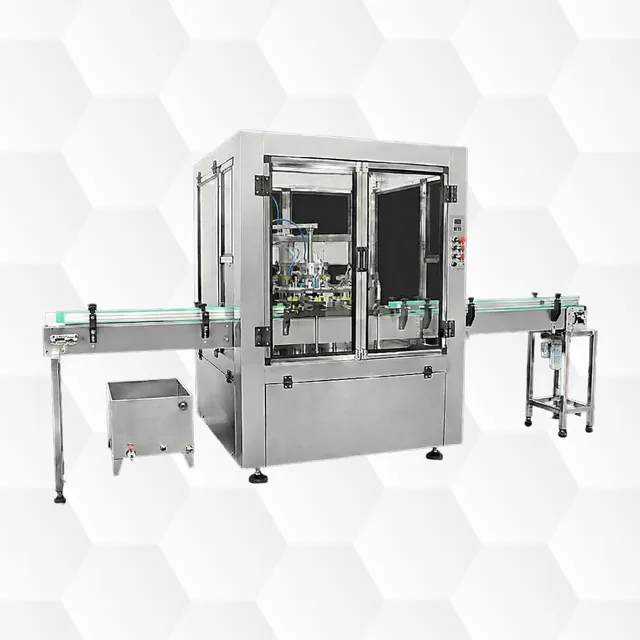
Bottle rinsing machinery for packaging line infeed
A coordinated production route

Specify the line as one operating process

Conveyors are the line’s operating link, not an afterthought. Correct widths, speeds, transfers, guide rails, accumulation and control logic help machines run as a coordinated system.

The engineering brief should describe the required good packs at the end of the line, not only the cycle rate of individual machines. Product behaviour, component quality, replenishment, changeovers, inspection and short stops all affect the sustainable result. The line should therefore be balanced around the real production calendar and a defined operating margin.

Start with evidence

Provide representative product, containers, closures, labels and secondary packaging from the approved range. Include the most difficult combinations, dimensional tolerances and any temperature or storage conditions that change behaviour.

Typical line stages

  1. Infeed, transfer and outfeed conveyor sectionsDefine the incoming condition, operator activity and transfer requirements before equipment is selected.
  2. Low-pressure accumulation and buffer tablesMatch the process technology to representative product and packaging samples across the full approved range.
  3. Curves, elevating sections and orientation devicesCoordinate the mechanical and control interfaces so upstream and downstream stages recover predictably.
  4. Sensors, variable speed drives and line interlocksConfirm inspection, rejection, documentation and handover requirements against measurable acceptance criteria.

What shapes the final specification

These subjects should be resolved with values, samples and named responsibilities. Where uncertainty remains, the proposal should state the assumption and the test or design review that will close it.

Specification point 1

Container stability and contact sensitivity

Record the operating range, difficult extremes and any allowable variation rather than supplying only a nominal value.

Specification point 2

Back pressure, surge behaviour and recovery

Include controlled samples, drawings or test evidence so the design basis can be verified before manufacture.

Specification point 3

Working height, access and cleaning requirements

State the required result and how it will be checked during factory and site acceptance testing.

Specification point 4

Maximum buffer time versus available footprint

Assign the interface owner and document the utilities, access, safety and maintenance implications.

Performance and acceptance

Acceptance criteria should define the tested format, material quantities, operating duration, good output, quality checks, allowable interruptions and action-closeout process. A factory acceptance test demonstrates the line before dispatch; site acceptance confirms installation, utilities, interfaces and agreed production performance in the operating environment.

Fewer transfer-related stoppagesBuilt into the project brief and verified at the agreed handover stage.
Protected containers and label surfacesBuilt into the project brief and verified at the agreed handover stage.
Better recovery from short downstream stopsBuilt into the project brief and verified at the agreed handover stage.
Clearer access for operators and maintenanceBuilt into the project brief and verified at the agreed handover stage.

Information to send with an enquiry

  • Product description, safety information and representative samples
  • Container, closure, label and case drawings or physical samples
  • Fill or pack range, target good output, batch size and shift pattern
  • Available layout, access, working heights and utility details
  • Required checks, reject handling, coding and production data
  • Installation window, training, spares and support expectations
Clear project answers

Conveyor & Accumulation Systems FAQs

How much accumulation should a line have?

Enough to absorb the selected short stops without creating excessive pressure or footprint. The answer is based on line rate and expected stoppage profile.

Can conveyors link machines from different suppliers?

Yes, after confirming heights, speeds, interfaces, product flow direction, signal requirements and guarding responsibilities.

What conveyor material is used?

Belt, slat-chain and specialist surfaces are selected around the container, environment, cleaning regime and product risk.

Line transfer engineering

Give every conveyor and buffer a defined operating purpose

Conveyors connect processes, but their engineering value comes from controlled presentation, spacing, orientation, access and recovery. Accumulation should be sized against a named disturbance or process constraint rather than added as an undefined reserve of conveyor length.

Transfer and accumulation design record

Record the pack state at each boundary because an empty, filled, closed or labelled pack may tolerate different contact and back pressure.

Conveyor and accumulation interface schedule
Design subjectQuestions to answerTest evidence
Pack contactWhich surfaces can be guided or touched; is the pack unstable, soft, decorated, warm or open?Representative packs transferred and queued without unacceptable marking, deformation, tipping or contamination.
Spacing and meteringWhat gap, pitch or orientation does the downstream machine require, and how is it recovered after a queue?Starts, stops and queue release observed at the approved operating condition.
Buffer purposeWhich short stop or process variation should the buffer absorb, and for how long under the chosen format?Usable capacity and recovery measured with real packs, not only a nominal conveyor area calculation.
Blocked/starved logicHow do upstream and downstream modules slow, stop, hold product and restart?Functional tests for sensors, timers, permissives and the restart sequence.
Access and cleaningCan operators reach rejects, spills, change points, sensors and product-contact risk areas?Layout and physical review with guard, aisle, cleaning and maintenance clearances visible.
Manual interactionWhere are packs loaded, removed, inspected, reworked or diverted?Ergonomic work sequence and controlled prevention of product mix-up or unsafe reaching.

Common buffer purposes

Different purposes can require different geometry, controls and pack-contact rules.

Protect a critical process

Allow a slower or sensitive process to continue through a short downstream interruption where pack condition permits.

Decouple replenishment

Provide enough controlled flow for normal closure, label, film or case replenishment without unnecessary complete-line stops.

Create process dwell

Hold packs for settling, cooling, inspection or another defined time-related requirement without uncontrolled queueing.

Support manual pack-out

Smooth short variations in human or downstream work while preventing excessive back pressure or inaccessible work in progress.

Keep specialist conveyor selection on the conveyor domain

This page covers conveyors as complete-line interfaces. Detailed conveyor types and specialist selection belong on Packaging Conveyors. Bring the selected route back into the integrated layout, controls and acceptance plan here.

Buyer questions

Conveyor and accumulation questions

How is accumulation capacity calculated?

Begin with the disturbance or dwell the buffer must cover, the approved format, usable pack pitch and the way packs enter and leave. Confirm the result physically because curves, back pressure, pack instability and inaccessible space can reduce usable capacity.

Can all bottles accumulate under back pressure?

No. Lightweight, unstable, hot, soft, open or decorated packs may mark, deform, tip or become contaminated. Test the actual pack state and use a low-pressure or alternative buffer strategy where needed.

Why test conveyor restart after a queue?

The release of accumulated packs can change spacing and load the downstream machine differently from steady flow. Recovery tests expose sensor, metering, guide and control issues that a continuous run may not show.

Turn the guidance into a project brief

Use the related pages to document the product, pack, output, layout and acceptance evidence before requesting a detailed proposal.

Your packaging line starts with the right brief

Tell us what you need to pack

Share your product, container or pack, closure, label, target output and available space. We will help you define a practical line route and the next information needed.