Plan your packaging line around the product, output, space and growth you need
Packaging line solutions

Liquid Filling Lines

A reliable liquid line starts with the product. Viscosity, foaming, temperature, particulates, fill volume and chemical compatibility determine the dosing principle, nozzle design, product path and cleaning approach.

UK project supportProduct and pack trialsIntegration to handover
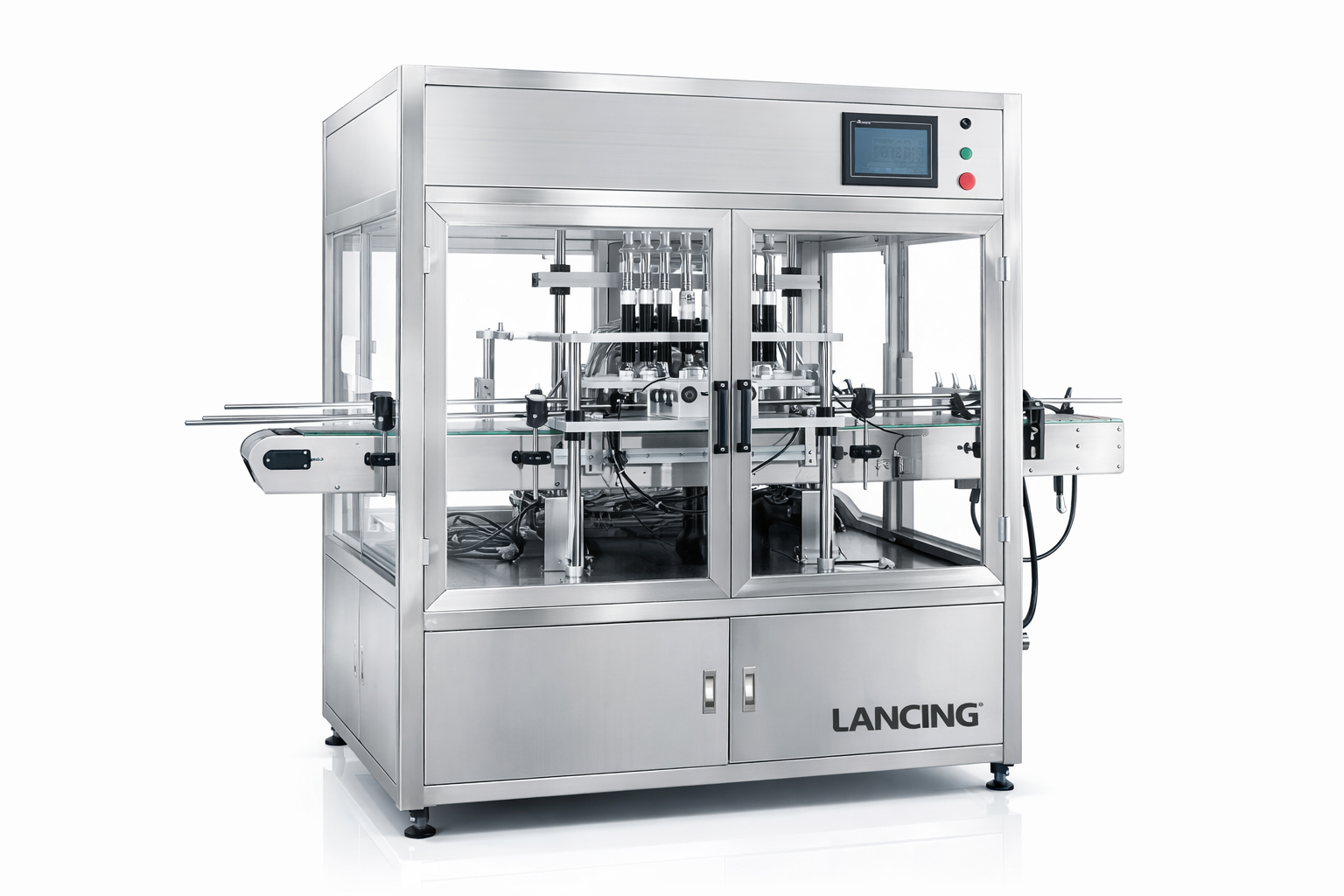
Automatic multi-nozzle vacuum liquid filling machine
A coordinated production route

Specify the line as one operating process

A reliable liquid line starts with the product. Viscosity, foaming, temperature, particulates, fill volume and chemical compatibility determine the dosing principle, nozzle design, product path and cleaning approach.

The engineering brief should describe the required good packs at the end of the line, not only the cycle rate of individual machines. Product behaviour, component quality, replenishment, changeovers, inspection and short stops all affect the sustainable result. The line should therefore be balanced around the real production calendar and a defined operating margin.

Start with evidence

Provide representative product, containers, closures, labels and secondary packaging from the approved range. Include the most difficult combinations, dimensional tolerances and any temperature or storage conditions that change behaviour.

Typical line stages

  1. Container infeed and optional rinsingDefine the incoming condition, operator activity and transfer requirements before equipment is selected.
  2. Volumetric, flow, level, weight or pump fillingMatch the process technology to representative product and packaging samples across the full approved range.
  3. Closure feeding, application and torque controlCoordinate the mechanical and control interfaces so upstream and downstream stages recover predictably.
  4. Labelling, coding, inspection and dischargeConfirm inspection, rejection, documentation and handover requirements against measurable acceptance criteria.

What shapes the final specification

These subjects should be resolved with values, samples and named responsibilities. Where uncertainty remains, the proposal should state the assumption and the test or design review that will close it.

Specification point 1

Free-flowing, foaming, viscous or particulate liquids

Record the operating range, difficult extremes and any allowable variation rather than supplying only a nominal value.

Specification point 2

Fill range, tolerance and giveaway objectives

Include controlled samples, drawings or test evidence so the design basis can be verified before manufacture.

Specification point 3

Nozzle diving, shut-off and drip control

State the required result and how it will be checked during factory and site acceptance testing.

Specification point 4

Product-contact materials, hygiene and changeover method

Assign the interface owner and document the utilities, access, safety and maintenance implications.

Performance and acceptance

Acceptance criteria should define the tested format, material quantities, operating duration, good output, quality checks, allowable interruptions and action-closeout process. A factory acceptance test demonstrates the line before dispatch; site acceptance confirms installation, utilities, interfaces and agreed production performance in the operating environment.

Stable repeatable fills across the pack rangeBuilt into the project brief and verified at the agreed handover stage.
Reduced spills, drips and product lossBuilt into the project brief and verified at the agreed handover stage.
Matched capping and labelling after fillingBuilt into the project brief and verified at the agreed handover stage.
Practical cleaning and recipe-led changeoversBuilt into the project brief and verified at the agreed handover stage.

Information to send with an enquiry

  • Product description, safety information and representative samples
  • Container, closure, label and case drawings or physical samples
  • Fill or pack range, target good output, batch size and shift pattern
  • Available layout, access, working heights and utility details
  • Required checks, reject handling, coding and production data
  • Installation window, training, spares and support expectations
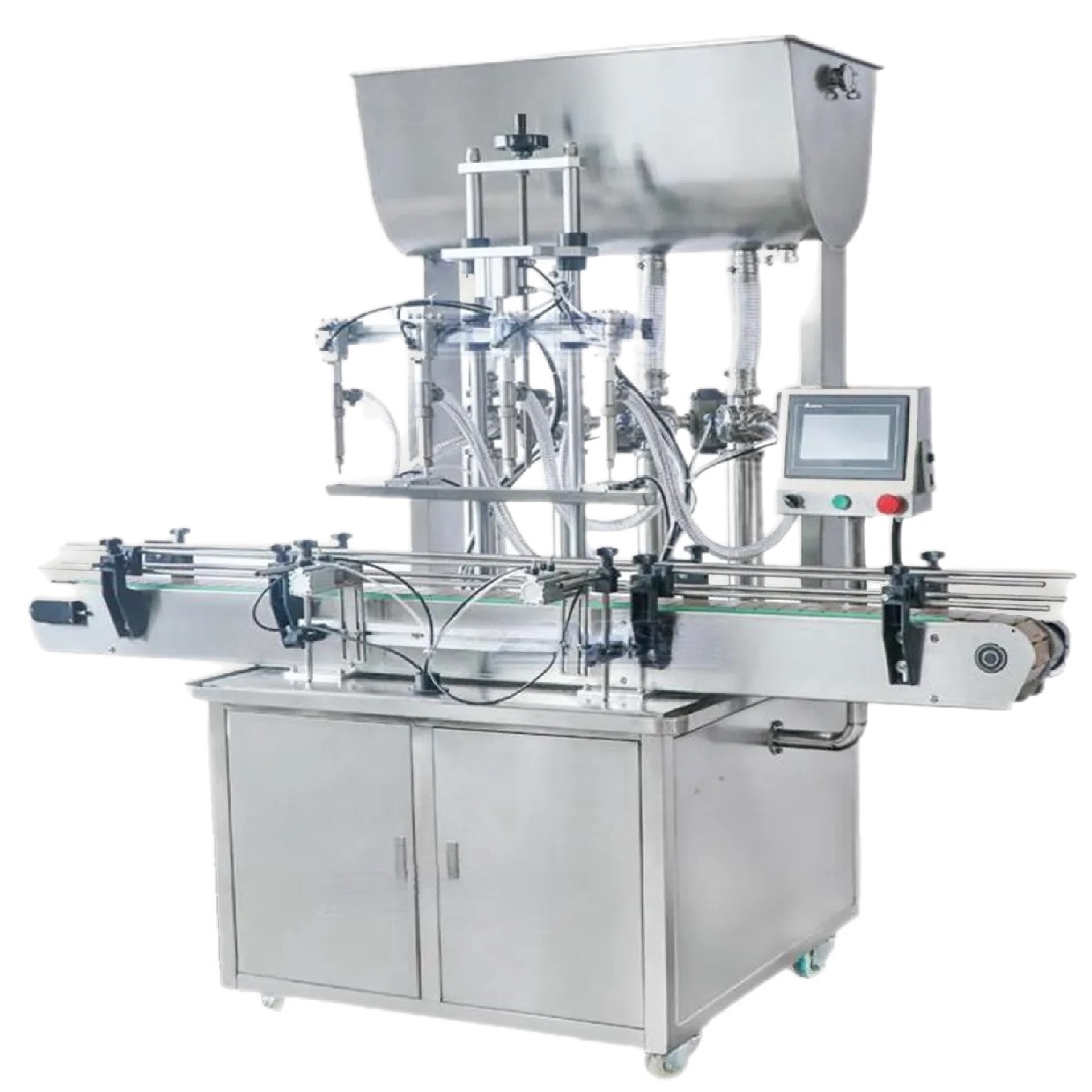
Machinery example

Review the equipment in the context of the complete line

The machinery image illustrates one process stage. Final suitability depends on product trials, pack tolerances, output, cleaning, controls and the agreed integration scope.

Discuss representative samples
Automatic volumetric filling machine
Clear project answers

Liquid Filling Lines FAQs

Which filling method is best for liquids?

There is no universal method. Volumetric, flowmeter, gravity, vacuum, peristaltic, piston and weigh filling each suit different product and pack conditions.

Can one line fill several bottle sizes?

Usually, provided the working range is defined early. Change parts, guides, recipes, nozzle spacing and conveyor settings must cover every approved format.

How are foaming products handled?

Options can include diving nozzles, controlled fill profiles, bottom-up filling, reduced initial flow and product-specific trials.

Liquid-line selection

Match the filling principle to the product, pack and cleaning duty

Liquid filling performance depends on more than nominal viscosity. Product temperature, aeration, foaming, particulates, shear sensitivity, stringing, container geometry and the approved fill range all influence the process and the downstream line.

Qualitative filling-method comparison

The final route should be proved with representative product and packs. This table identifies the questions that separate commonly considered principles without claiming a universal best method.

Liquid filling principle selection questions
Filling principleUseful decision factorsWhat to prove in a trial
Volumetric or piston-based dosingDefined dose range, product compatibility, viscosity change, particulates and cleaning access.Dose consistency across the approved range, product recovery, drip or string control and changeover method.
Flow-metered fillingElectrical properties where relevant, product homogeneity, flow profile, pipework and calibration approach.Stable measurement under real temperature and flow conditions, cutoff behaviour and repeatable product supply.
Level fillingContainers where visual fill height is important and the process is compatible with the chosen level-control principle.Consistent level across container tolerances, foaming behaviour and product return or vacuum arrangements where applicable.
Pump or peristaltic routesSmall doses, product path requirements, tubing or pump compatibility, pulsation and cleaning or disposable-path strategy.Dose stability, tube or pump wear, product damage, priming, cutoff and the effect of extended production runs.
Weight-based fillingProducts or pack sizes where mass is the controlled result and the weighing environment can be stabilised.Tare variation, vibration sensitivity, settling time, cutoff compensation and the relationship between mass and declared pack requirement.

A representative liquid product trial

The trial plan should reproduce the difficult ends of the approved range rather than only the easiest nominal product and bottle.

Control the samples

Record product batch, temperature, storage, mixing, age, container and closure tolerances so results can be repeated.

Test operating extremes

Include low and high fill quantities, smallest and largest necks, difficult product behaviour and realistic replenishment.

Observe the complete cycle

Check priming, filling, cutoff, drips, foam, container stability, cap or seal interaction and label-surface cleanliness.

Record recovery and cleaning

Document settings, change parts, product recovery, cleaning access, restart after stops and first-off approval after changeover.

Downstream interactions to include in the line brief

A technically acceptable fill can still cause poor finished packs if the next stages are not considered at the same time.

  • Container stability before, during and immediately after filling, including the effect of a changing centre of gravity.
  • Headspace, neck cleanliness and product residue that could affect cap application, induction sealing or tamper evidence.
  • Closure presentation, tightening or crimping method, torque or application checks and reject handling.
  • Dry, clean label panels and controlled container spacing before labelling, coding and inspection.
  • Product supply from vessel, IBC, hopper or process line, including level control, return paths and safe cleaning boundaries.
  • Drainage, spill management, access and material compatibility for the actual product and cleaning regime.
Keep individual machine selection connected to the complete line

Detailed filling-machinery categories can be reviewed through Packaging Automation UK. The responsibility of this page is to connect that equipment choice to capping, labelling, conveyors, controls, testing and handover.

Buyer questions

Liquid filling project questions

How much product is normally needed for a filling trial?

The quantity depends on the method, number of formats, pipework volume, priming, cleaning and planned run duration. Agree the trial matrix first, then calculate enough material for setup, repeated measurements and realistic stops without changing the product condition.

Why can the same liquid fill differently on another day?

Temperature, mixing, aeration, settling, batch variation, storage time and supply pressure can change flow behaviour. Record these conditions during trials so the approved process window is understood.

Should filling accuracy be measured by volume, level or weight?

Use the measurement that matches the product requirement, process principle and agreed quality method. The specification should define sampling, instruments, tare handling, tolerances and the conditions under which results are accepted.

Turn the guidance into a project brief

Use the related pages to document the product, pack, output, layout and acceptance evidence before requesting a detailed proposal.

Your packaging line starts with the right brief

Tell us what you need to pack

Share your product, container or pack, closure, label, target output and available space. We will help you define a practical line route and the next information needed.