Plan your packaging line around the product, output, space and growth you need
Packaging line solutions

Labelling & Coding Integration

Labels and codes are often the final customer-facing and traceability-critical operations. Integration needs controlled product spacing, consistent presentation and a confirmed print or label inspection strategy.

UK project supportProduct and pack trialsIntegration to handover
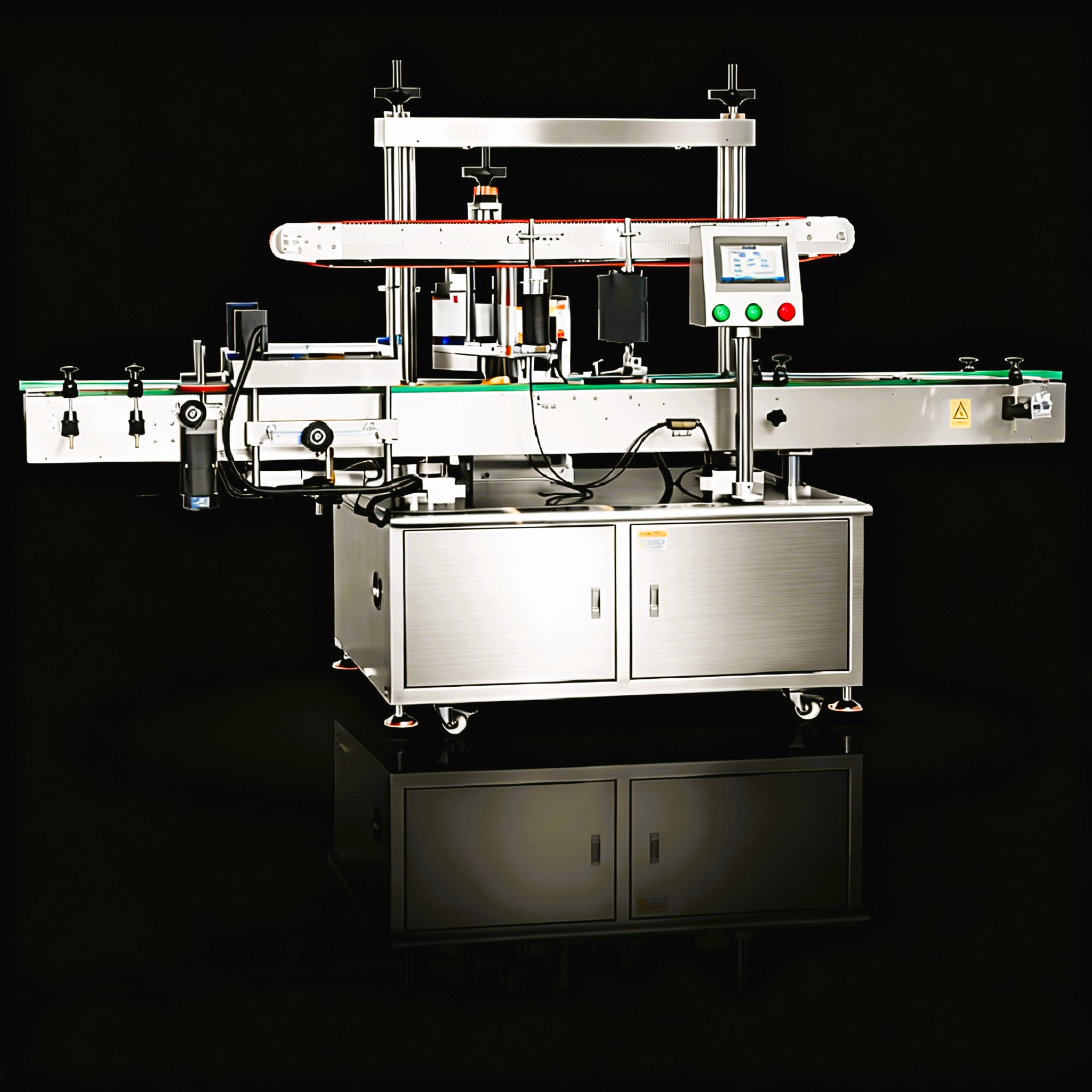
Automatic labelling machinery integrated into a packaging line
A coordinated production route

Specify the line as one operating process

Labels and codes are often the final customer-facing and traceability-critical operations. Integration needs controlled product spacing, consistent presentation and a confirmed print or label inspection strategy.

The engineering brief should describe the required good packs at the end of the line, not only the cycle rate of individual machines. Product behaviour, component quality, replenishment, changeovers, inspection and short stops all affect the sustainable result. The line should therefore be balanced around the real production calendar and a defined operating margin.

Start with evidence

Provide representative product, containers, closures, labels and secondary packaging from the approved range. Include the most difficult combinations, dimensional tolerances and any temperature or storage conditions that change behaviour.

Typical line stages

  1. Product spacing and orientation before applicationDefine the incoming condition, operator activity and transfer requirements before equipment is selected.
  2. Wrap-around, front-and-back, top or specialist labellingMatch the process technology to representative product and packaging samples across the full approved range.
  3. Inkjet, thermal transfer, laser or print-and-apply codingCoordinate the mechanical and control interfaces so upstream and downstream stages recover predictably.
  4. Vision checking, code verification and controlled rejectionConfirm inspection, rejection, documentation and handover requirements against measurable acceptance criteria.

What shapes the final specification

These subjects should be resolved with values, samples and named responsibilities. Where uncertainty remains, the proposal should state the assumption and the test or design review that will close it.

Specification point 1

Container shape and label panel geometry

Record the operating range, difficult extremes and any allowable variation rather than supplying only a nominal value.

Specification point 2

Label stock, adhesive and application environment

Include controlled samples, drawings or test evidence so the design basis can be verified before manufacture.

Specification point 3

Code content, print area and line speed

State the required result and how it will be checked during factory and site acceptance testing.

Specification point 4

Inspection standard and false-reject management

Assign the interface owner and document the utilities, access, safety and maintenance implications.

Performance and acceptance

Acceptance criteria should define the tested format, material quantities, operating duration, good output, quality checks, allowable interruptions and action-closeout process. A factory acceptance test demonstrates the line before dispatch; site acceptance confirms installation, utilities, interfaces and agreed production performance in the operating environment.

Improved label placement consistencyBuilt into the project brief and verified at the agreed handover stage.
Readable production and traceability codesBuilt into the project brief and verified at the agreed handover stage.
Automatic identification of defined defectsBuilt into the project brief and verified at the agreed handover stage.
Controlled handling of non-conforming packsBuilt into the project brief and verified at the agreed handover stage.

Information to send with an enquiry

  • Product description, safety information and representative samples
  • Container, closure, label and case drawings or physical samples
  • Fill or pack range, target good output, batch size and shift pattern
  • Available layout, access, working heights and utility details
  • Required checks, reject handling, coding and production data
  • Installation window, training, spares and support expectations
Clear project answers

Labelling & Coding Integration FAQs

Can a coder be fitted to a labeller?

Often, subject to space, substrate, print technology and the required code position. The mounting and encoder arrangement should be engineered.

Can labels be checked automatically?

Vision systems can check presence, position, selected print content and other defined features, subject to a clear inspection brief.

What causes label application problems?

Common factors include container variation, condensation, surface contamination, unsuitable adhesive, poor product spacing and label-roll setup.

Identification and inspection

Control presentation, data and rejection as one labelling process

A label or code is applied at a mechanical interface and carries controlled production information. The line specification should therefore connect container presentation, label construction, print data, inspection and reject handling instead of treating the applicator and coder as independent devices.

Labelling and coding integration matrix

Use approved components and real production data during trials. Decorative appearance and machine readability should both be included where relevant.

Labelling, coding and inspection project matrix
Control pointDefinition requiredAcceptance evidence
Pack presentationShape, label panel, orientation feature, surface condition, spacing, speed and stability at application.Representative packs presented consistently after normal stops and queue release.
Label stockFace material, adhesive, liner, roll direction, core, unwind, label pitch and approved supplier range.Correct dispense and adhesion on the actual pack and environmental condition.
Application resultPosition, skew, overlap, wrap, crease, bubble, flagging, edge lift and acceptable visual standard.Approved reference samples and a documented inspection method.
Code contentRequired text or symbols, data source, format, location, recipe and authorised change process.Challenge of correct and incorrect data, plus an approved readable result on production material.
VerificationPresence, position, readability, data match or grade checks that are genuinely required.Defined defects challenged at agreed conditions with false-reject behaviour reviewed.
Reject controlReject point, confirmation, bin or lane capacity, full response, reconciliation and rework ownership.Each included defect is detected and removed without suspect product remaining in accepted output.

Data and recipe controls to agree

The required control level depends on the product and production system, but ownership must be clear.

  • Identify whether code data is entered locally, selected from a recipe, supplied by another system or generated from an order or batch record.
  • Define who may create, approve, select and change formats and how an incorrect selection is prevented or detected.
  • Agree time and date handling, line and printer identifiers, variable fields and the response to loss of communication.
  • Record how label and code versions are matched to the product and how obsolete material is removed during line clearance.
  • Define what inspection result is retained and whether a failed verification stops, rejects or quarantines product.
  • Test restart after printer, label-roll, recipe or batch change, including the first acceptable pack and any material produced during recovery.

Why upstream condition matters

Labelling problems can originate before the applicator.

Surface condition

Product, condensation, dust, release agents or handling marks can change adhesion and code quality.

Pack geometry

Distortion, closure reaction, seam position or inconsistent orientation can move the intended label panel.

Spacing

Uncontrolled gaps or back pressure can change application timing and inspection reliability.

Environment

Temperature, humidity, airflow and time between process stages can change both pack and label behaviour.

Buyer questions

Labelling and coding integration questions

What label samples should be supplied for a trial?

Provide production-intent labels on the intended liner and roll build, covering approved suppliers or constructions that materially differ. Include matching packs and details of storage and application conditions.

Is code presence inspection the same as code verification?

No. Presence confirms that a mark exists; verification may also check readability, position, content or grade. Specify only the checks the production requirement needs and define the response to failure.

Why can a label work on a bench but fail on line?

The line adds pack movement, spacing, surface condition, speed, pressure, environment and stop-start recovery. Trial the complete presentation and application process under representative conditions.

Turn the guidance into a project brief

Use the related pages to document the product, pack, output, layout and acceptance evidence before requesting a detailed proposal.

Your packaging line starts with the right brief

Tell us what you need to pack

Share your product, container or pack, closure, label, target output and available space. We will help you define a practical line route and the next information needed.