
How Do You Future-Proof a Packaging Line?
Future-proofing means protecting credible options with controlled allowances. It does not mean buying every possible feature or claiming that untested future products are already supported.
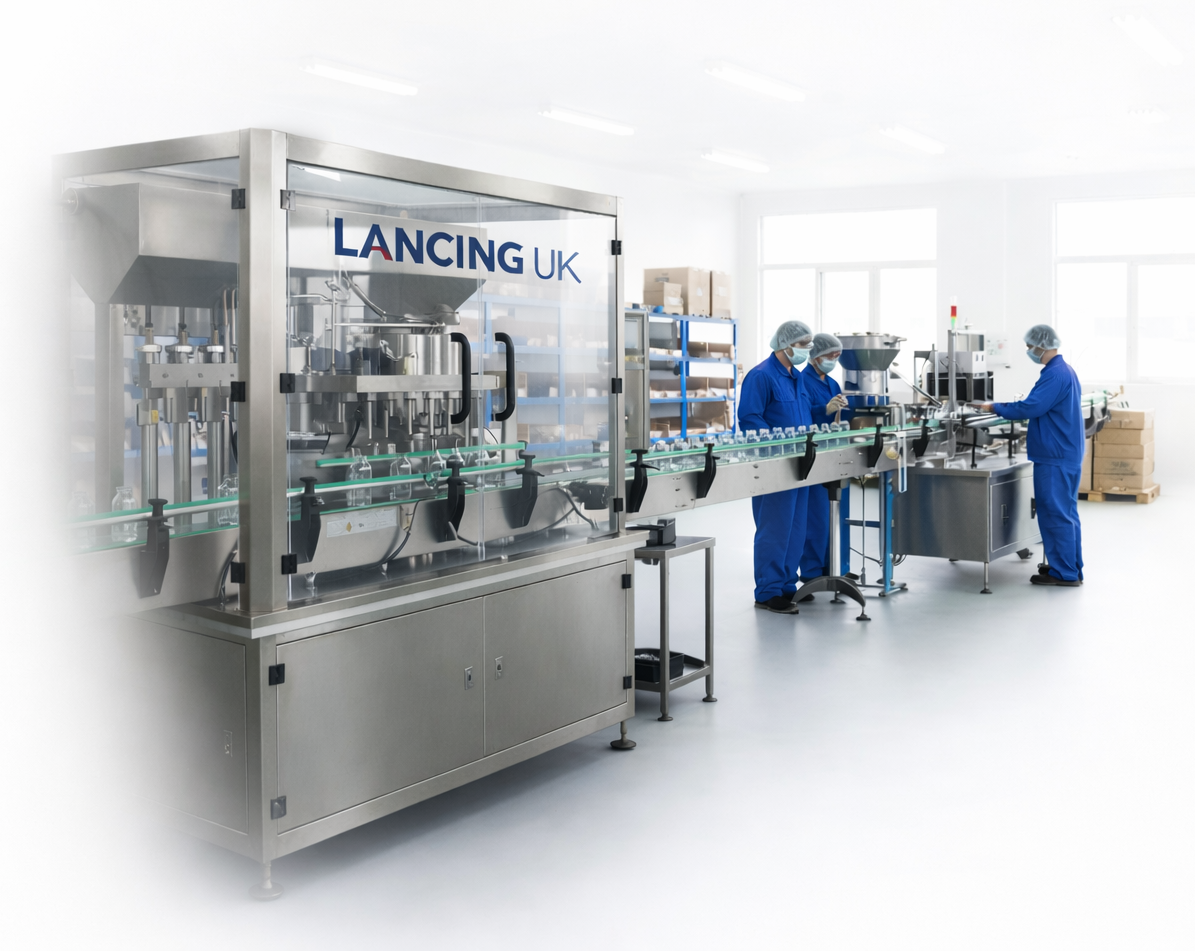
Separate approved duty, engineered allowance and future concept
Future-proofing means protecting credible options with controlled allowances. It does not mean buying every possible feature or claiming that untested future products are already supported.
Write the current accepted scope first. Then list future products, formats, output scenarios, inspection needs and end-of-line changes with a probability and decision horizon. For each scenario, decide whether to engineer the capability now, reserve an interface or merely avoid blocking a later modification.
Useful allowances can include floor space, conveyor connection points, panel capacity, network architecture, recipe structure, spare I/O, utility routes and a controls philosophy that can accept a future module. Every allowance should have an owner and a limit so it is not mistaken for tested production capability.
Phased automation can reduce initial risk when product presentation, demand or process stability is still developing. The first phase should still have clear battery limits, safe interfaces and a line layout that does not make the next phase disproportionately disruptive.
| Treatment | What is delivered now | How it should be described |
|---|---|---|
| Approved capability | Hardware, software, tooling and acceptance evidence for the named duty. | Included and demonstrated within the current project. |
| Engineered allowance | Defined space, range, capacity or interface that has been designed but not fully equipped. | Reserved for a stated scenario; identify what further work remains. |
| Connection provision | Mechanical, electrical, controls or data boundary for later equipment. | State ratings, protocol, physical location and responsibility. |
| Phased automation | A current operating stage with a planned route to later automation. | Define manual work, interim controls and the future conversion boundary. |
| Future concept | An idea not yet supported by verified materials or detailed engineering. | Record as an open scenario, not an approved machine capability. |
Make future options specific enough to engineer
Use the same evidence in the project brief, supplier clarification and acceptance plan so the decision remains traceable from concept to handover.
Rank the scenarios
Identify likely products, packs, output and regulatory or market changes.
Choose the allowance
Decide whether to provide capability, space, utilities, interfaces or only a documented concept.
Protect the current line
Confirm the allowance does not reduce access, safety, quality or current good output.
Review before expansion
Revalidate materials, risk, capacity and acceptance when the future project becomes real.
Common questions about future-proofing a packaging line
Each answer states the practical principle first, then identifies the variables that must be confirmed for the actual product, pack, line and site.
What does future-proofing a packaging line mean in practice?
It means preserving credible, defined options for later products, formats, output or equipment without compromising the current duty. Examples include reserved floor space, suitable utility routes, controlled interfaces, modular conveyors and scalable controls. Each provision should state what it enables and what engineering, hardware and testing would still be required.
How should future products and formats be allowed for without overengineering?
Rank future scenarios by likelihood and business importance. Fully engineer only the cases with sufficient product and pack evidence; reserve ranges, space or interfaces for the rest. Avoid buying complex tooling or controls for speculative formats that may never proceed, especially where the allowance increases present changeover or maintenance burden.
Which interfaces should be reserved for later equipment?
Potential provisions include conveyor infeed and discharge conditions, physical tie-in points, electrical distribution, spare panel space, network ports, I/O capacity, data tags, safe stop and run-permissive philosophy, and utilities. Reserve only what has a defined future use, rating and location; undocumented spare capacity is difficult to rely on later.
How can floor space and utilities be protected for expansion?
Show the future equipment envelope, access and material route on the approved layout, not merely an empty rectangle. Protect connection corridors and confirm that current guarding, cleaning, escape, maintenance and operator routes remain workable. Size site utilities from competent design and record which capacity is installed versus only planned.
When should a phased automation plan be used?
Use a phased plan when demand, product presentation, investment timing or process evidence does not justify full automation immediately, but later expansion is credible. Define the manual tasks and safe interim operation, choose equipment with deliberate boundaries, and include the future phase in controls, space and acceptance planning without claiming it is already supplied.
Information needed for a future-proofing review
Share verified information and representative samples where relevant. Lancing can then distinguish confirmed requirements from items that need a trial, survey or design review.
Project information
- Current approved products, formats and good-output duty.
- Credible future products, packs, demand and timing.
- Required space, access, utilities and material-flow allowances.
- Future mechanical, electrical, controls and data interfaces.
- Retained equipment, phased automation and shutdown constraints.
- Clear distinction between supplied capability and future provision.
Application-specific confirmation
This guide explains a selection and integration framework. Final machine suitability, safety, utilities, performance and compliance depend on the actual product, pack, equipment configuration, site and agreed tests.
Related packaging-line guidance
Follow the next question that affects the same production decision.