
How Do You Specify a Multi-Format Packaging Line?
Define the approved format matrix, group genuinely similar packs and prove the difficult transitions. Flexibility comes from controlled mechanical, process and recipe changes—not from describing a line as universal.
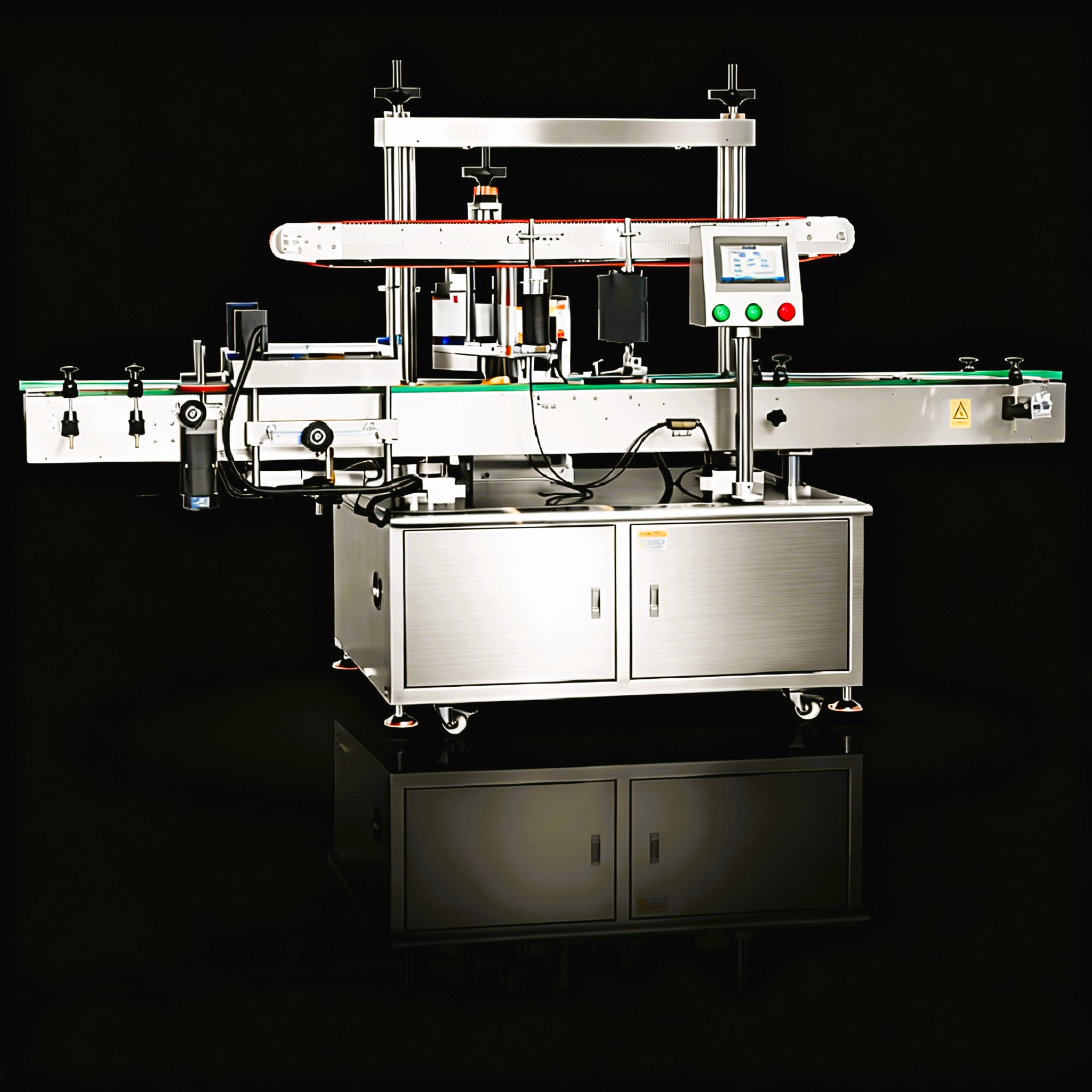
Specify formats as complete product-and-pack combinations
Define the approved format matrix, group genuinely similar packs and prove the difficult transitions. Flexibility comes from controlled mechanical, process and recipe changes—not from describing a line as universal.
A format is more than a container size. Product behaviour, fill range, closure, label, code, secondary pack and inspection criteria can change the required settings and hardware. Create a format matrix that records each approved combination and identifies the reference, difficult extremes and future concepts.
Group formats only where the same handling and process route has been demonstrated. A bottle family may share guide settings but need different fill nozzles, cap chucks, stars, label sensors or inspection recipes. Record which changes are tool-less, recipe-controlled, adjusted, exchanged or cleaned.
Acceptance should prove representative formats and transitions, not only separate clean runs. Observe line clearance, part identification, recipe selection, settings verification, first-off quality and the time from last good pack to first accepted pack.
| Layer | What can change | Control method |
|---|---|---|
| Product and process | Viscosity, powder behaviour, particulates, temperature, fill or dose range. | Approved recipe, contact parts, cleaning and product trial. |
| Primary pack | Height, width, stability, opening, material and surface. | Guides, holders, stars, sensors, nozzle position and transfer settings. |
| Closure or seal | Cap, pump, trigger, foil, film, zipper or pouch seal. | Feeding, application tooling, torque or seal recipe and inspection. |
| Identification | Label size, material, code position, message and verification. | Label path, sensor, print template, data source and first-off approval. |
| Secondary pack | Case, tray, collation, film and pallet pattern. | Change parts, recipes, handling and pack-out confirmation. |
Build a controlled multi-format production route
Use the same evidence in the project brief, supplier clarification and acceptance plan so the decision remains traceable from concept to handover.
Create the format matrix
List every product, primary pack, closure, label, code and secondary-pack combination.
Identify common and unique parts
Record which tooling, guides, contact parts and recipes each format uses.
Choose challenge transitions
Test the changes with the greatest cleaning, adjustment, clearance or quality risk.
Release the first accepted pack
Verify settings, components, code, quality and line clearance before routine production resumes.
Common questions about multi-format packaging lines
Each answer states the practical principle first, then identifies the variables that must be confirmed for the actual product, pack, line and site.
What counts as a separate format on a packaging line?
Treat a combination as a separate format when it changes the product path, tooling, settings, quality criteria or operating method. A new label or closure can be as significant as a new container. The format matrix should identify every change that needs a part, recipe, adjustment, cleaning step or approval.
How should the format range be prioritised?
Identify the highest-volume reference format, the smallest and largest packs, unstable or difficult shapes, the widest process range and the most demanding changeover pair. Use those as design and trial challenges. Low-priority future concepts can be recorded as allowances without claiming they are already approved.
Which parts of a line usually need change parts?
Change parts may be needed at feeding, filling or dosing, closure application, star wheels, guides, holders, label application, inspection, coding, conveyors and end-of-line equipment. The exact set depends on the pack family. Provide a controlled parts list, identification method, storage and change instructions for every approved format.
How can recipe control reduce format-setting errors?
Recipes can coordinate authorised settings, permissives, inspection criteria and code data across machines, but they do not confirm that the correct physical parts or materials are fitted. Combine recipe access control with part identification, mechanical position checks where justified, line clearance and first-off approval.
Should future formats be included in the original acceptance test?
Only formats supplied, engineered and included in the acceptance scope should be treated as approved. Future requirements can influence space, ranges, controls and interface allowances, but untested packs remain future development work. State the evidence and modification needed before each future format can enter production.
Information needed for a multi-format line review
Share verified information and representative samples where relevant. Lancing can then distinguish confirmed requirements from items that need a trial, survey or design review.
Project information
- Complete product, pack, closure, label and secondary-pack matrix.
- Reference formats, difficult extremes and expected annual mix.
- Batch sizes, changeover sequence and cleaning requirements.
- Existing tooling, retained machinery and preferred common parts.
- Recipe, line-clearance and first-off approval method.
- Future formats separated from the initial accepted scope.
Application-specific confirmation
This guide explains a selection and integration framework. Final machine suitability, safety, utilities, performance and compliance depend on the actual product, pack, equipment configuration, site and agreed tests.
Related packaging-line guidance
Follow the next question that affects the same production decision.