
Packaging Line Sample Trial Guide
Choose representative samples, operating extremes, measurements and trial evidence before design approval, FAT or investment in an integrated packaging line.
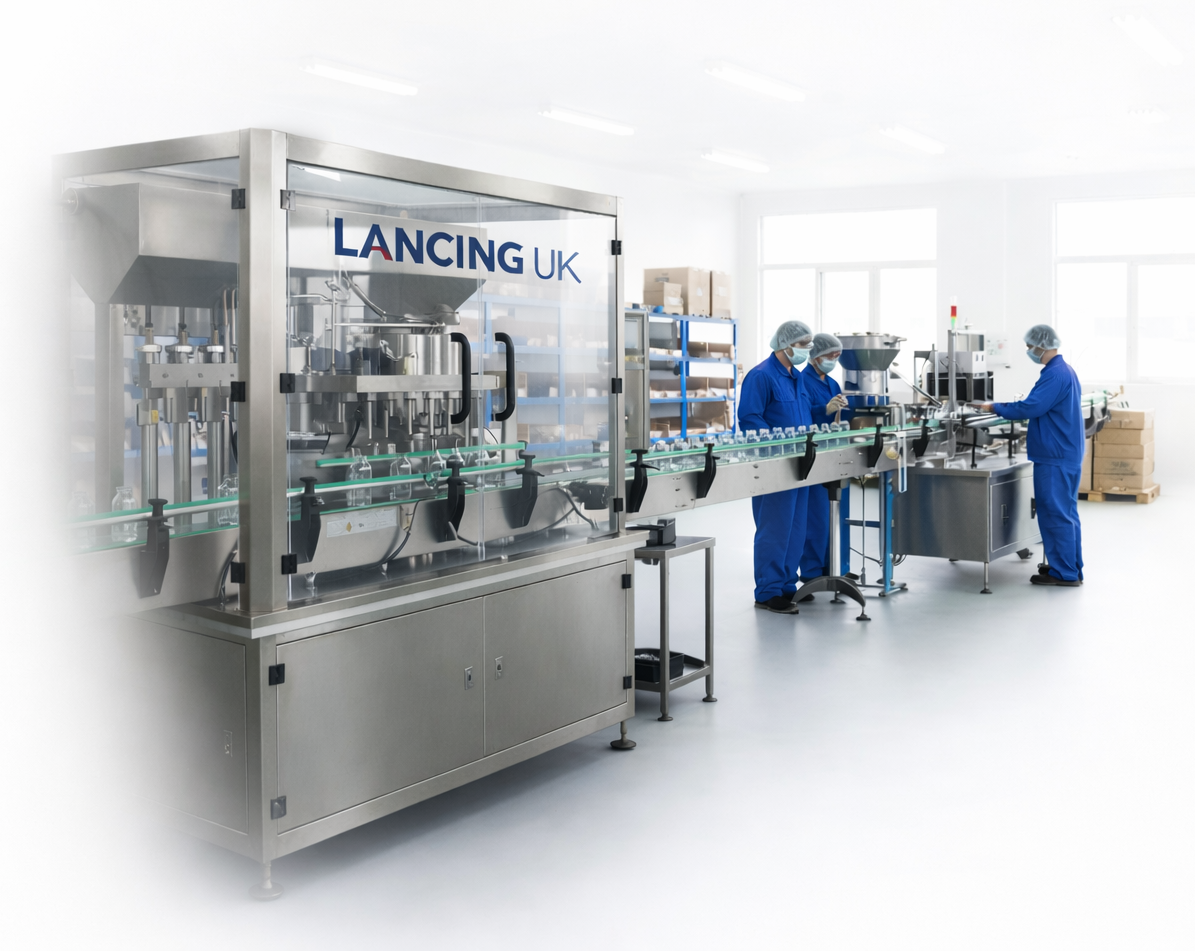
Use representative samples to close the decisions that shape the line
A useful sample trial has a stated engineering question, controlled materials, representative operating extremes, agreed observations and evidence that can be carried into design and acceptance.
Trials reduce uncertainty only when the sample and condition represent the decision being made. A demonstration with a convenient product or easy container may show basic movement but leave feed, fill, closure, label, inspection or changeover risks unresolved.
Start with the required operating envelope and identify which characteristics can change the process. Ask suppliers to explain the sample quantity, preparation, machine configuration and measurement needed for each decision. Protect enough production-intent material for FAT and site acceptance rather than consuming it all in an early demonstration.
Choose samples that expose decisions, not only easy operation
Create a product-and-pack matrix with one row for each materially different condition. Mark the formats that are confirmed at launch, credible future scenarios and unapproved possibilities. Select samples that challenge handling, process or quality decisions, such as the least stable container, most difficult closure, widest product behaviour or surface condition that affects labelling.
Record the source, supplier, batch/lot, date, storage and condition of each sample. Packaging components or products can change between early trial and production-intent supply. Preserve approved retained samples or controlled drawings and require review when a relevant characteristic changes.
| Trial dimension | Representative evidence | Decision supported |
|---|---|---|
| Product extremes | Viscosity/flow, density, foam, particulates, temperature, aeration, dust or other relevant behaviour at realistic condition. | Process technology, product supply, dosing, containment and cleaning approach. |
| Container or pouch extremes | Smallest/largest, lightest/heaviest, stability, dimensions/tolerances, surface, neck/opening and supplier variation. | Handling, guides, transfers, filling presentation, labelling and accumulation. |
| Closure or component extremes | Fit, thread, stiffness, geometry, liner/seal, feed orientation, static and batch variation. | Feeding, placement, application, torque/force method and inspection. |
| Labels, film and coding | Construction, adhesive/release, roll build, print area, surface and storage condition. | Dispensing, application, sealing, print quality, readability and inspection. |
| Operating conditions | Target good output context, starts/stops, replenishment, product run-out, queue, changeover and environmental limits. | Complete-line stability and the conditions for acceptance. |
| Quality and evidence | Approved measurement, samples, instruments, defect definitions, photos/video and retained settings. | Objective design approval, FAT/SAT protocol and controlled limitations. |
Write the trial protocol before the material is consumed
State the purpose, equipment/configuration, product and components, preparation, settings, operating sequence, measurements, acceptance rule, witness roles and evidence. A feasibility trial may compare process routes; a design trial may confirm feed or handling details; FAT and SAT have broader contractual and installed-system purposes. Do not treat one successful short run as proof of every format or future production condition.
Separate observation from acceptance
Record what happened, the measured result and the decision. If a pack ran only after a temporary guide, manual intervention or non-production material preparation, note that condition. Close any action by repeating the affected test or documenting a competent approved limitation.
Plan material quantities around the full sequence
Allow for setup, controlled trials, known-fail challenges, line clearing, inspection/reject tests, cleaning, FAT, SAT and retained samples. Confirm shelf life, hazards, temperature control, transport and disposal. The supplier and customer should agree who provides each material and the date it is needed.
Use the FAT/SAT guide for acceptance structure, the specification checklist to capture the operating range and the inspection guide for defect challenges.
Create a traceable trial record
The record should allow a later reviewer to understand what was tested, under which conditions and which project decision it supports.
State the question
Define the risk or choice the trial must close and the limit of the evidence.
Control the samples
Identify product, packaging components, batches, condition, preparation and approved references.
Run the protocol
Record configuration, settings, sequence, measurements, interventions, defects and observations.
Approve the result
Link the evidence to design, limitation, action or repeat test and retain representative samples where appropriate.
Packaging-line sample-trial questions
Which samples should be sent for a packaging-line trial?
Send representative production-intent products and components, including the operating extremes that can change handling, dosing, sealing, capping, labelling, inspection or cleaning. Identify each sample and its condition.
Can empty containers be used for a handling trial?
They can support early mechanical observations, but filled weight, product contamination, temperature or pressure may change stability and transfer behaviour. State what the trial does and does not prove.
How many samples are needed?
The quantity depends on setup, trial duration, format changes, challenge tests, line clearing, rejects, cleaning and retained evidence. Agree a material plan rather than guessing from one nominal run.
What is the difference between a sample trial and FAT?
A sample trial usually answers a defined feasibility or design question. FAT verifies the agreed supply against an approved protocol before dispatch, often using representative materials but within stated factory conditions.
What should happen if production materials change after the trial?
Review the changed characteristic against the approved evidence. A new supplier, construction, dimension or product condition may need a focused repeat trial or revised operating limitation.
Prepare the sample and trial brief
A clear matrix lets Lancing plan the equipment, time, material and evidence needed for a useful test.
- Product data and relevant behaviour across realistic operating conditions.
- Container, closure, label, film, pouch, case or other component samples and drawings.
- Supplier/batch identity, tolerances and known future variations.
- Target good-output context and the exact feasibility or design question.
- Required measurements, quality rules and challenge samples.
- Hazards, storage, transport, preparation, cleaning and disposal information.
- Material quantities for setup, trial, challenge, FAT/SAT and retained evidence.
Share representative products and packaging components, the operating extremes and the decision the trial must support. Lancing can confirm the next evidence needed for a complete-line proposal.