
Packaging Line Operator Training Guide
Plan role-based training for packaging-line operation, replenishment, changeover, cleaning, fault response, maintenance and controlled authorisation.
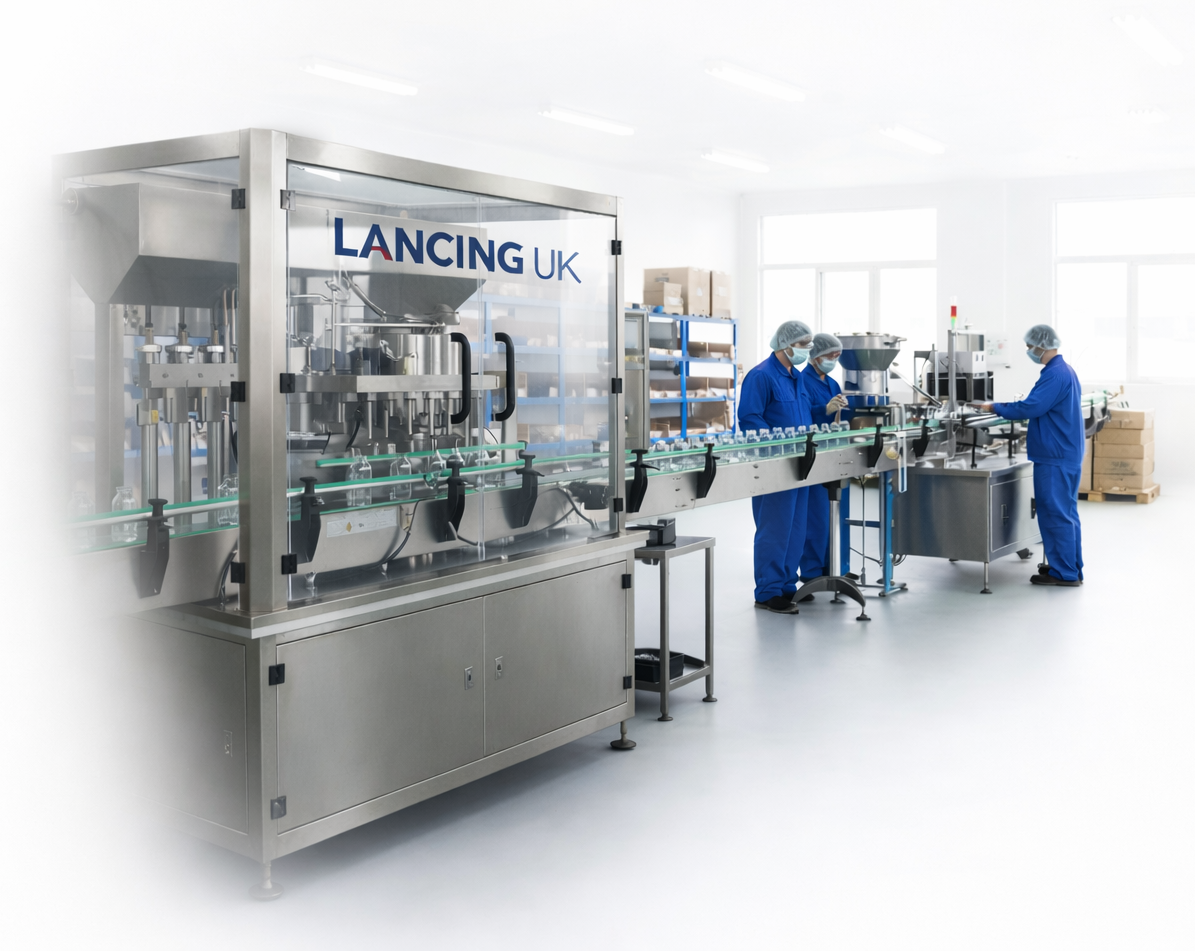
Convert packaging-line training into role-based competence
A packaging-line training plan should define who may operate, change, clean, recover, maintain and approve the line—and how each person demonstrates competence on the installed system.
Training is most effective when it begins before SAT. Project teams can identify operating roles, manuals, procedures, changeover tools, quality checks and training materials while the equipment is still being designed and tested.
Use the FAT and commissioning periods to build site trainers’ understanding, then complete practical assessment on the installed line under representative conditions. Retain any limitations or actions rather than issuing broad authorisation after a short demonstration.
Train by task, risk and decision authority
A generic machine demonstration does not prove that a person can run the integrated line. Define the tasks each role may perform, the products and formats covered, the permitted settings, the evidence of competence and the conditions that require escalation. Keep training aligned with the actual as-installed controls, guards, change parts and site procedures.
Separate awareness, supervised practice and authorised independent work. A person may understand the purpose of an inspection system without being authorised to change its thresholds; an operator may clear a defined low-risk condition without being authorised to enter a maintenance mode.
| Role or task | Knowledge and practical evidence | Release control |
|---|---|---|
| Routine operator | Startup checks, normal production, replenishment, quality observations, alarms, controlled stop and escalation. | Observed operation on approved products/formats and sign-off by the site’s authorised assessor. |
| Changeover | Change parts, settings, recipe confirmation, first-off inspection, line clearance and return of removed parts. | Format-specific practical assessment and first-off approval route. |
| Cleaning and sanitation | Safe access, isolation where required, cleaning method, chemical controls, inspection and release evidence. | Task competence under the site’s hygiene and safety system. |
| Fault response | Alarm meaning, permitted resets, product containment, evidence capture and when not to intervene. | Scenario assessment that distinguishes operator recovery from engineering escalation. |
| Maintenance | Isolation, planned tasks, drawings, settings, parts, post-maintenance checks and change control. | Practical assessment within the site’s competence system. |
| Supervisor or line leader | Production plan, performance losses, quality holds, staffing, recipe/change approval and escalation. | Demonstrated control of a representative shift or campaign. |
Use production scenarios, not only classroom content
Practical training should include normal startup and shutdown, product run-out, replenishment, planned stops, blocked or starved conditions, quality rejection, a controlled alarm recovery and the agreed response when recovery is not permitted. Changeover training should include line clearance, correct parts and recipe, mechanical checks, first-off approval and restoration of removed components.
Do not simulate an unsafe condition or bypass a protective function for training. Use the approved manufacturer/site method and competent supervision. Where a scenario cannot be created safely on the live line, use controlled discussion, video, offline components or a documented walk-through.
Keep competence current after handover
Record the person, role, equipment, products/formats, date, assessor and any limits. Reassess after significant modification, incident, extended absence, changed procedure or evidence that the standard method is not being followed. Use production and fault data to identify training needs without assuming every loss is an operator problem.
Link the programme to the handover records, changeover guide and fault-finding guide.
Build a training and assessment sequence
The sequence should move from system understanding to supervised practice and controlled authorisation for defined tasks.
Define roles
List tasks, settings, products, formats, risks and decisions for each operational or technical role.
Prepare materials
Use the as-installed manuals, screens, drawings, procedures, quality rules and escalation contacts.
Practise scenarios
Run normal production, changeover and permitted fault-response scenarios under supervision.
Assess and maintain
Record practical competence, limits, refresher triggers and the approval for independent work.
Packaging-line operator training questions
Is supplier training enough to authorise packaging-line operators?
Supplier training can support competence, but the employer should integrate it with the actual site, tasks, risks, products, procedures and authorisation system. Attendance alone does not demonstrate practical competence.
Who should be trained on a new packaging line?
Identify roles for routine operation, replenishment, changeover, cleaning, quality checks, supervision, maintenance, engineering, safety and data or recipe administration where relevant.
Should every operator be allowed to change machine settings?
No. Define which settings are part of an approved recipe or operator adjustment range and which require supervisor, quality, maintenance or engineering authority.
How should changeover competence be assessed?
Observe the full format change, including line clearance, parts, settings, recipe confirmation, mechanical checks, first-off quality approval and correct storage of removed parts.
When is refresher training needed?
Use the site’s competence system and review after changes, incidents, recurring errors, long absence or evidence that the agreed method is not being followed. Maintain a controlled record.
Use current competent guidance
Employers should obtain competent safety and legal advice for their actual workplace, equipment and training responsibilities. Reference points include HSE PUWER training and competence guidance. The applicable duties, standards and evidence depend on the actual supply, site, use and market.
Prepare the training scope before delivery
Early role definition makes manuals, procedures, trials and site resources part of the project rather than an afterthought.
- Site roles, shift structure, prior competence and nominated trainers or assessors.
- Products, formats and operating scenarios each role must cover.
- Permitted controls, recipes, settings and escalation limits.
- Cleaning, isolation, maintenance and safety responsibilities.
- Quality checks, inspection/reject response and product-containment rules.
- Training language, materials, attendance and practical-assessment evidence.
- Refresher and change-management process after handover.
Share the proposed roles, products, formats and site procedures so the training scope can match the actual line and handover evidence.