
Packaging Line Risk Assessment and Machinery Safety Guide
Project guidance for defining complete-line safety responsibilities, foreseeable intervention, machine interfaces, FAT/SAT evidence and controlled modification.
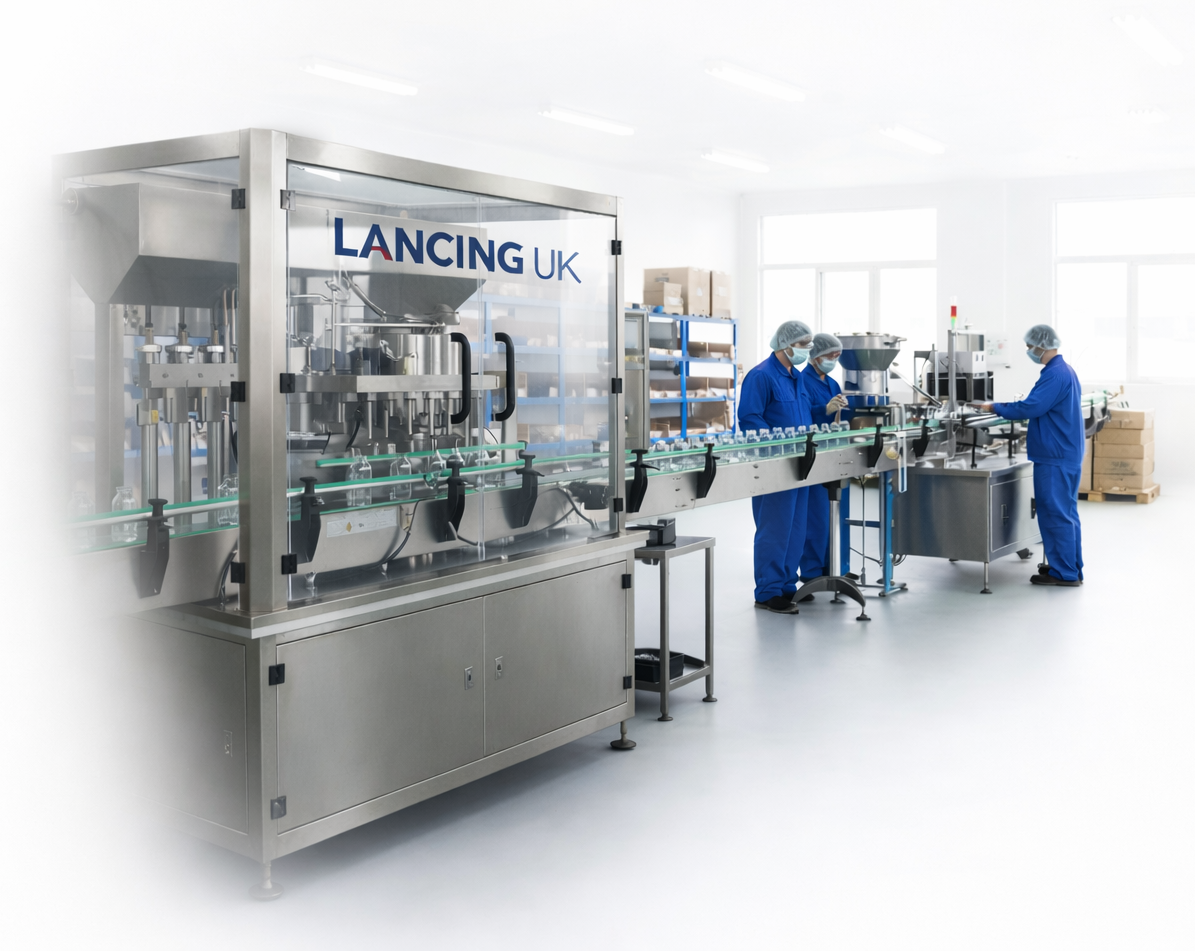
Define the safety boundary for the complete packaging line
A complete-line safety plan connects product-supply responsibilities, workplace use, machine interfaces, foreseeable intervention and controlled evidence through design, installation and later modification.
Packaging-line safety cannot be established by checking each machine in isolation. Conveyors, transfers, common controls, guarding, access and the behaviour of adjacent equipment can create hazards or defeat assumptions that were valid for an individual machine.
Start by documenting the intended use, products, operators, maintenance tasks, site, retained machinery and supply boundary. Appoint competent people to determine the applicable legislation and standards and to carry out the required risk assessment, design, verification and validation.
Separate product-supply responsibilities from safe use at work
For machinery placed on the Great Britain market or put into service, the Supply of Machinery (Safety) Regulations 2008 set product-supply requirements for the responsible person. Employers and those controlling work equipment also have duties under PUWER to ensure work equipment is suitable, safe, maintained and used by people with adequate information, instruction and training. The project should identify which duties apply to each party and retain the evidence rather than using a marking as a substitute for a complete site assessment.
Where separate machines are integrated into an assembly, competent specialists should determine the scope of the complete assembly, the responsible person, applicable legislation and standards, and the documentation required. This page provides project-planning questions only; it is not a conformity assessment or a site-specific risk assessment.
| Project stage | Evidence to review | Boundary question |
|---|---|---|
| Concept and layout | Intended use, foreseeable intervention, products, people, access, retained equipment and site constraints. | Where can hazards arise from the combination rather than one machine? |
| Design integration | Machine declarations/instructions where applicable, interface drawings, safety functions, guarding, access and control descriptions. | Who is responsible for the complete assembly and each safety-related interface? |
| Build and modification | Approved changes, component records, software revisions, calculations and verification/validation evidence. | Has a change introduced a new hazard or invalidated earlier evidence? |
| FAT and installation | Inspection and test plan, outstanding actions, site works, services, anchoring, guarding completion and access controls. | Which safety checks can be completed before shipment and which require the installed site? |
| SAT and handover | As-installed risk review, functional tests, instructions, training, maintenance isolation and residual-risk information. | Can the employer use, clean, maintain and recover the equipment safely as installed? |
| Later lifecycle | Inspection, maintenance, incident, change-control and competent review records. | Does an upgrade or changed use alter the original safety basis or product-supply duties? |
Assess foreseeable intervention, not only automatic production
Map the tasks needed to load materials, clear jams, remove rejects, sample product, change format, clean, inspect, lubricate, maintain and restore the line after a fault. Identify who performs each task, how often it occurs, what energy or movement can remain and which access route is used. A line can be well guarded in automatic production but difficult to use safely if routine intervention was not designed into the layout and control modes.
Review the interaction between guards, conveyors, upstream and downstream machines. A local reset should not create an unexpected restart elsewhere. Safety-related interfaces, reset zones, isolation points and stored-energy controls require competent design and validation for the actual assembly.
Control modifications and retained machinery
An integration or retrofit can change access, controls, speed, use or interaction with existing machinery. Record the baseline condition, proposed change, responsible designers and the competent decision about whether product-supply obligations are affected. Regardless of product status, modified work equipment must remain safe for use and meet applicable workplace requirements.
Use the layout guide to protect access and intervention space, the controls integration guide to define stop/reset behaviour and the handover guide to retain the final evidence.
Build safety reviews into project decisions
The evidence should mature with the project and remain connected to drawings, software, tests and outstanding actions.
Define
Record intended use, limits, tasks, people, products, environment and the complete supply boundary.
Design
Reduce risk through the system design, then specify protective measures, information and responsible interfaces.
Verify and validate
Check implementation and test safety functions against the approved requirements using competent methods.
Hand over and control change
Retain final records, instructions, training and a review route for later modifications or changed use.
Packaging-line risk assessment and machinery-safety questions
Is a UKCA or CE mark enough to show that a packaging line is safe to use?
No single mark replaces the employer’s duties, installation checks, instructions, training, maintenance and site-specific assessment. Product-supply and workplace-use responsibilities should be identified and evidenced for the actual line.
Who is responsible when separate machines are combined into one packaging line?
The answer depends on the supply arrangement and whether the combination forms an assembly under the applicable product rules. Agree the boundary and responsible person early and obtain competent legal and engineering review for the actual project.
Should routine jam clearing be included in the risk assessment?
Yes. Foreseeable interventions such as clearing jams, replenishing components, removing rejects, cleaning and changeover should be assessed with their real frequency, access and energy conditions.
Can an existing machine be connected without reviewing its safety?
The retained machine, its intended use, condition and new interfaces should be reviewed. Integration may create new hazards, alter access or control behaviour, and any modification must leave the work equipment safe for use.
What safety evidence should be checked during FAT and SAT?
Use the project inspection and test plan. It may include guarding and access, safety functions, stop and reset behaviour, isolation, alarms, instructions, outstanding actions and checks that can only be completed after installation.
Use current competent guidance
Have a competent person confirm the legal route, applicable standards, risk assessment and conformity evidence for the actual line and market. Reference points include HSE machinery-safety overview, HSE PUWER guidance, GOV.UK machinery-supply guidance. The applicable duties, standards and evidence depend on the actual supply, site, use and market.
Prepare a competent safety review
Provide factual project information so the responsible specialists can assess the real assembly rather than a generic machine description.
- Complete line layout, equipment list, retained assets and supply battery limits.
- Intended use, products, formats, operating modes and reasonably foreseeable intervention tasks.
- Guarding, access, isolation, services and stored-energy information.
- Machine instructions and declarations where applicable, plus interface and control descriptions.
- Safety function requirements, reset zones and validation responsibilities.
- Installation conditions, site works, training, maintenance and later change-control process.
- Market and location of use, including whether Great Britain or Northern Ireland rules need separate review.
Share the proposed line boundary, layout, retained machines, operating tasks and known modifications. Lancing can coordinate the packaging-line engineering scope with the competent safety specialists appointed for the project.