
Packaging Line OEE and Bottleneck Guide
A practical framework for defining good output, tracing availability, performance and quality losses, and finding the constraint that controls an integrated packaging line.
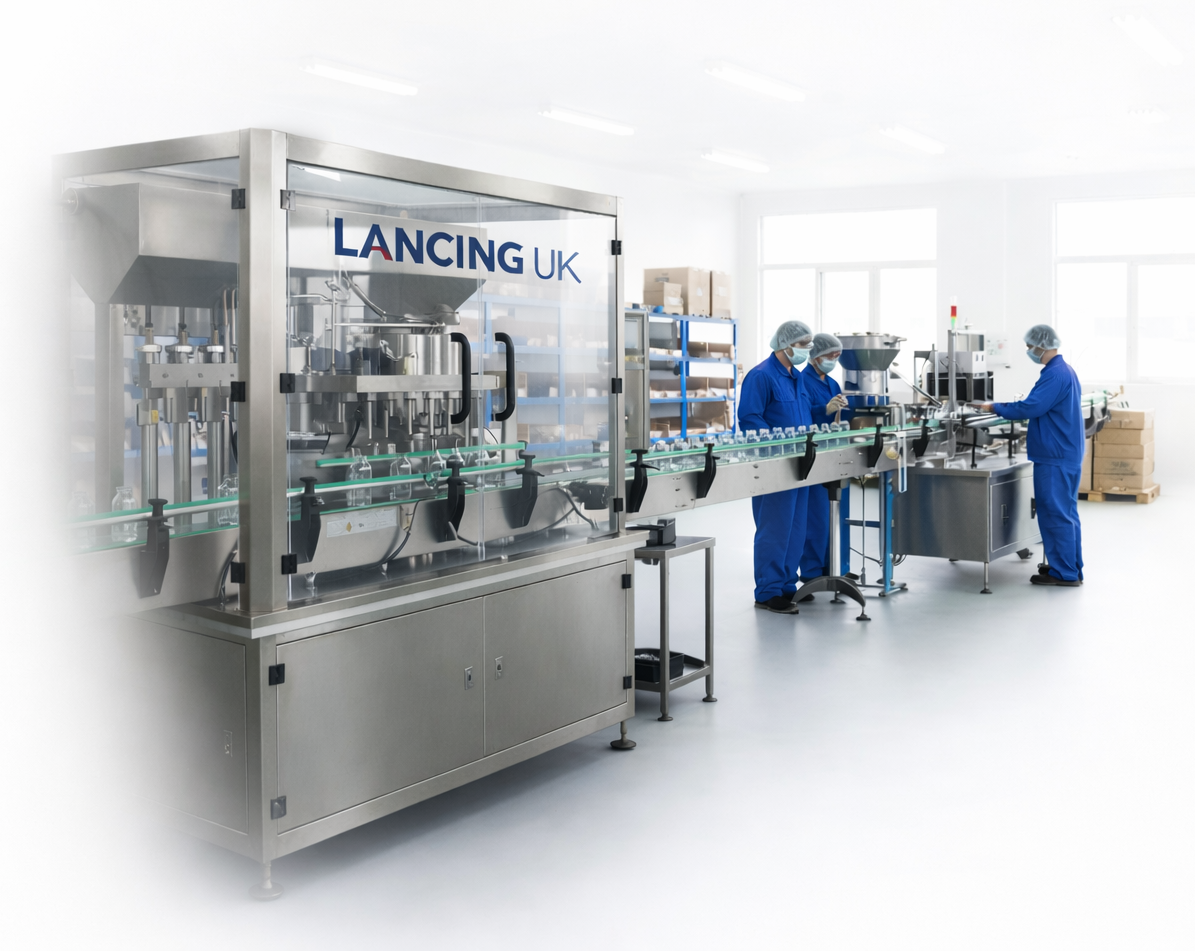
Measure the complete packaging line before selecting the improvement
A useful OEE or bottleneck study connects production time, saleable output, defects, stops and machine-interface states to the product and format actually running.
A packaging line can appear busy while producing less saleable output than expected. Short stops, slow recovery, component replenishment, unstable transfers, quality interventions and downstream blocking may each remove only a small amount of time, but their combined effect can dominate the result.
Build the measurement plan before collecting a headline percentage. State the line boundary, reference rate, scheduled time, good-pack rule, reason-code ownership and data source. Keep manual observations alongside automated counters until the signals are shown to represent the real event.
Start with a precise definition of good output
For a packaging line, useful output is normally the number of saleable packs that leave the agreed boundary during a defined production period. The definition should state where packs are counted, which defects or rework are excluded, how planned stops are treated and which product-and-format conditions apply. Without that common definition, machine counters, production reports and commercial acceptance can describe different results.
Overall equipment effectiveness can be a useful framework, but the percentage alone does not identify the engineering action. Retain the underlying time, count and defect records so that availability, performance and quality losses can be traced to an observable event. ISO 22400 provides a formal manufacturing-operations KPI framework; a site should still define its own data sources, time model and decision use before comparing figures.
| Evidence category | Record at line level | Question it should answer |
|---|---|---|
| Planned production time | Scheduled production windows, planned changeovers, cleaning, breaks and approved maintenance. | Which time is genuinely expected to produce saleable packs? |
| Availability loss | Stops with a time, duration, initiating station, blocked/starved state and recovery action. | Which events remove available production time and why? |
| Performance loss | Periods of running below the agreed reference rate, including micro-stops, replenishment and unstable transfers. | Where is the line running but failing to convert time into expected good output? |
| Quality loss | Rejected or reworked packs by defect type, detection point and suspected process origin. | Which process or material condition is creating non-saleable output? |
| Constraint evidence | Queue behaviour, accumulation use, upstream starvation and downstream blocking at representative demand. | Which station or manual task controls sustained throughput? |
| Context | Product, pack, recipe, operator team, shift, material batch and relevant environmental condition. | Can results be compared fairly and repeated? |
Locate the system constraint under representative conditions
The slowest quoted machine is not automatically the sustained line constraint. A filler may set the nominal rate on one format, while closure replenishment, label application, inspection, manual case packing or downstream handling controls another. Watch blocked and starved states, queue movement and operator interventions over a representative run. The constraint is the resource whose available capacity or recovery behaviour limits good output for the duty being assessed.
Accumulation can protect the constraint from short disturbances, but it cannot correct a persistent capacity deficit. Document the purpose of each accumulation zone, usable pack count, release logic, maximum residence considerations and the event it is intended to absorb. Then challenge the design with realistic stops rather than assuming every machine runs continuously.
Turn loss data into an improvement decision
- Verify that counters, timestamps and reason codes describe the same line boundary.
- Group events by lost good-output opportunity, not only event frequency.
- Observe the largest loss at the machine, interface and operator level.
- Confirm the cause with a controlled trial before changing speed, timing or hardware.
- Repeat the same product-and-format condition and retain the before-and-after evidence.
Use the packaging-line ROI guide to value recoverable production rather than assuming every recorded loss becomes a financial benefit. Use the troubleshooting guide where the largest loss is intermittent or moves between stations.
Define a repeatable constraint test
A repeatable test uses controlled materials, a stated operating state and measurements that distinguish the initiating cause from the station where the line finally stops.
Choose the duty
Select the product, pack and shift condition with the greatest commercial or technical importance.
Stabilise the line
Confirm approved settings, material condition, operators and replenishment before recording the comparison period.
Capture states
Record producing, starved, blocked, faulted, stopped and manual intervention with a shared time reference.
Challenge the hypothesis
Change one justified factor, repeat the condition and confirm that good output and loss behaviour improve.
Packaging-line OEE and bottleneck questions
What is the best OEE boundary for an integrated packaging line?
Use the boundary that represents the production result being managed, normally from the agreed infeed condition to saleable output at the line discharge. Record any manual or upstream/downstream activity that sits outside the calculation but can still starve or block it.
Can individual machine OEE figures be added together?
No. Individual figures have different time bases and interactions. Use machine evidence to explain complete-line loss, but calculate the line measure from one defined boundary and time model.
How long should a bottleneck study run?
Long enough to include representative products, formats, replenishment, planned tasks and recurring disturbances. A short clean run can confirm one condition but may not represent a shift or campaign.
Does more conveyor accumulation always increase output?
No. Accumulation helps only when its capacity and controls absorb the relevant interruption. It can add footprint, residence time, pressure and recovery complexity, so its purpose must be explicit.
Which OEE loss should be addressed first?
Prioritise the largest credible recoverable loss that constrains good output, quality, safety or delivery. Confirm the cause and the effect of the proposed action before committing to modification.
Use current competent guidance
Use an agreed site definition and competent operations review before relying on a KPI for commercial acceptance or investment. Reference points include ISO 22400 manufacturing KPI framework. The applicable duties, standards and evidence depend on the actual supply, site, use and market.
Prepare an OEE or bottleneck enquiry
Evidence from the current line helps Lancing distinguish a capacity problem from an integration, material, controls, quality or operating issue.
- Current line sequence and agreed production boundary.
- Product, container, closure, label and secondary-pack format being measured.
- Good output by hour or shift, reject categories and rework treatment.
- Stop log with time, duration, initiating station and recovery action.
- Observed blocked/starved behaviour and accumulation usage.
- Operator tasks, replenishment pattern, changeovers and cleaning periods.
- Any retained equipment, space or controls restrictions affecting a modification.
For a new project, define how these records will be produced during FAT and SAT. For an existing line, combine the evidence with the upgrade and retrofit scope.
Send the line layout, product-and-format condition, current good-output record and the largest observed loss. Lancing can help define the next controlled trial or integration review.